All You Need to Know About Proper Roof Insulation
In Texas, striking the right balance between comfort and manageable energy costs can be challenging. Think about those hot summer days that lead to lowering the thermostat or the unexpected cold snaps that prompt you to put on extra layers indoors. Our homes also experience these fluctuations, resulting in higher energy bills and a continuous effort to maintain an ideal indoor temperature. But there's a behind-the-scenes hero that often goes overlooked: proper roof insulation. It's up there in your attic, working quietly to help keep you warm during colder months and cool throughout the summer.
Whether you're a longtime homeowner or simply curious about the benefits of insulation, join the team at
Birdcreek Roofing as our experts reveal the key to creating a cozy, energy-efficient retreat beneath the vast Texas skies. Proper roof insulation isn't solely about energy conservation – it's a pragmatic approach to making your living space truly yours, no matter where you reside.
What is Roof Insulation?
Roof insulation is a layer of material that is installed within the roof structure of a building to reduce heat transfer and regulate indoor temperatures. It is a barrier to prevent heat loss during colder months and heat infiltration during warmer months. Roof insulation is typically placed in spaces such as attics, between roof rafters, or in the roof cavity, effectively creating a buffer between the interior of the building and the external environment.
The primary purpose of roof insulation is to enhance energy efficiency by minimizing the need for excessive heating or cooling. By reducing the amount of heat that escapes through your roof in the winter and the amount of heat that enters in summer, roof insulation helps maintain a more comfortable and consistent indoor climate. This, in turn, can lead to lower energy consumption and reduced utility bills.
Coming roof insulation materials include fiberglass, cellulose, spray foam, and radiant barriers. The choice of insulation material depends on factors such as the climate, budget, and specific building requirements.
Why Does Roof Insulation Matter?
Roof insulation is crucial for energy efficiency, comfort, and cost savings. It is a protective barrier that keeps your home warm in winter and cool in summer, reducing the need for excessive heating and cooling. This consistent indoor temperature enhances comfort and reduces environmental impact by decreasing energy consumption and your carbon footprint. With the potential to last for years, roof insulation offers a long-term investment that may boost property value. It can also reduce noise and ensure compliance with energy efficiency standards, contributing to a more sustainable and peaceful living environment.
Popular Insulation Types for Texas Homes
When choosing the proper insulation for Texas homes, various options are available, each with its own set of benefits and considerations. Let's explore some popular insulation types and delve into their pros and cons, considering Texas' unique weather conditions.
1. Fiberglass Insulation
Pros: Fiberglass insulation is widely used and cost-effective. It is known for its durability, fire resistance, and ability to fit into various spaces. It's also relatively easy to install, making it a popular choice for new constructions and retrofitting homes.
Cons: Fiberglass insulation can sometimes settle over time, reducing its effectiveness. Additionally, it may require careful installation to prevent gaps that can compromise its efficiency.
2. Cellulose Insulation
Pros: Cellulose insulation is an eco-friendly option made from recycled materials. It has excellent thermal properties and is effective at reducing noise transmission. It can be blown into existing walls or attics, filling gaps and irregular spaces.
Cons: Cellulose insulation can be prone to moisture absorption, which may impact its performance over time. Proper vapor barriers and installation are crucial to mitigate this issue.
3. Spray Foam Insulation
Pros: Spray foam insulation creates a tight seal, reducing air infiltration and providing high R-values (thermal resistance). It effectively insulates and provides moisture control, making it ideal for Texas' humid climate.
Cons: Professional installation is essential due to the specialized application process. It can be relatively expensive compared to other insulation types.
4. Radiant Barrier Insulation
Pros: Radiant barriers reflect radiant heat, which is particularly useful in hot climates like Texas. They are often installed in attics to prevent heat from entering the living spaces below.
Cons: Radiant barriers are most effective in reducing radiant heat but may have a limited impact on conductive and convective heat transfer.
These examples are all excellent options, and a combination of insulation types may be most effective in the Texas climate, where summers can be scorching and humidity levels are high. Fiberglass and cellulose insulation are both cost-effective solutions for attics and walls, while spray foam insulation tackles air leakage and moisture concerns. Adding a radiant barrier in attics can further reduce radiant heat gain.
A
Birdcreek Roofing consultant can help tailor insulation choices to your home's needs. Combining options helps create a well-insulated home that will shield you from the Texas weather while optimizing energy efficiency.
Tips for Maximizing Your Home's Energy Efficiency
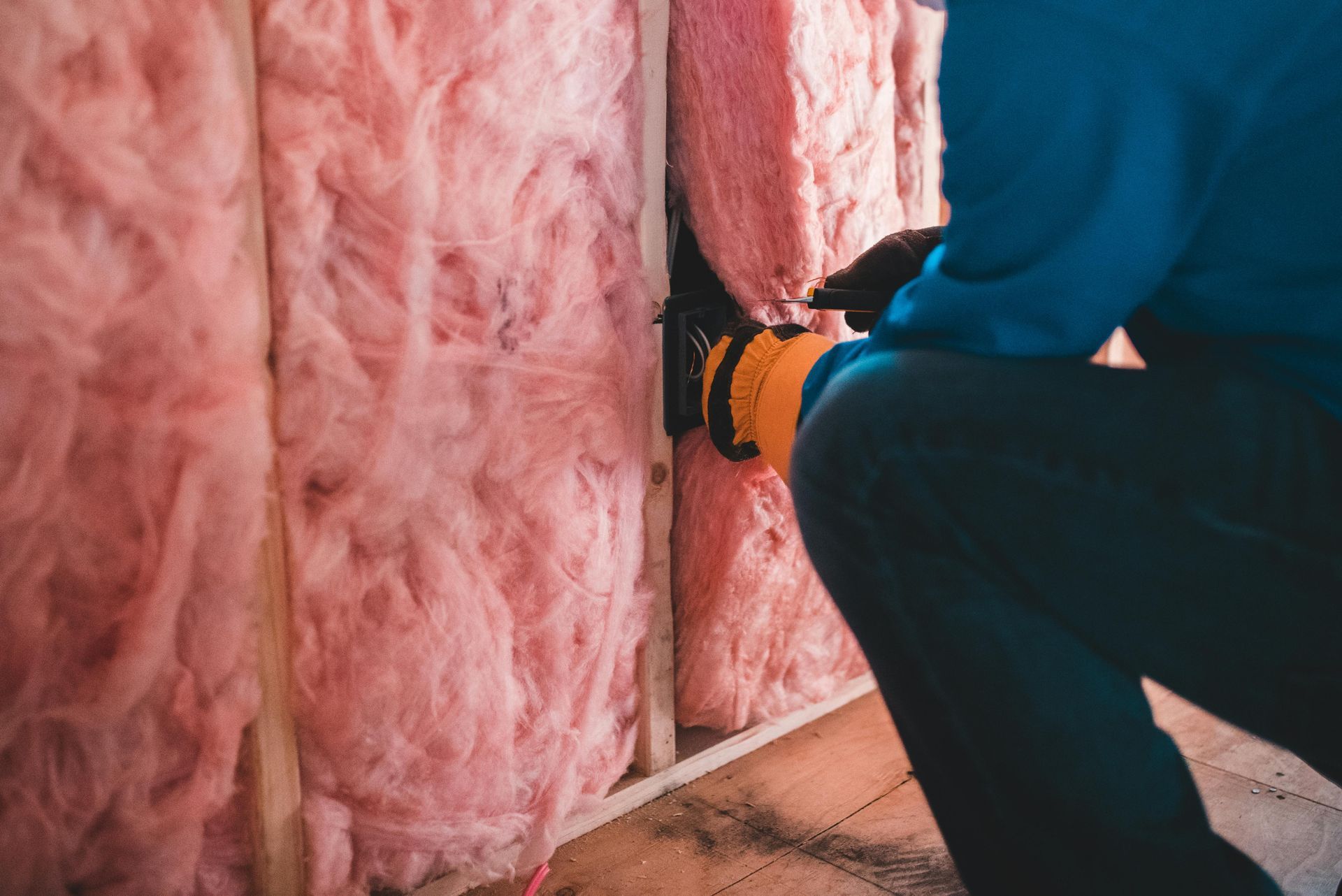
For optimal energy efficiency in Texas' fluctuating climate, homeowners can take proactive steps. Scheduling regular roof inspections will help to identify and address any gaps in insulation around windows, doors, and outlets. Inspections can also help to ensure your attic is adequately ventilated and that you are preventing any moisture buildup that could compromise insulation.
Conduct routine inspections to address settling or degradation, promptly topping up or replacing insulation as needed. By implementing these measures, homeowners can enhance insulation effectiveness, reduce energy consumption, and create a more comfortable indoor environment while minimizing their environmental footprint.
Elevate Your Home's Comfort and Efficiency with Expert Roof Insulation
With Texas' climatic variations, proper roof insulation is a fantastic tool, buffering against intense heat and sudden cold spells. Whether you're a longtime homeowner looking to replace old, worn-out insulation or a first-time buyer just beginning to consider your home's insulation needs, we invite you to join us in creating an energy-efficient haven beneath the expansive Texan skies.
As you navigate insulation options, Birdcreek Roofing is ready to assist. Our experienced roofing consultants can help you find the ideal insulation combination for your Texas home, ensuring energy efficiency and comfort. Take the practical step toward a more weather-resilient future. Reach out to us today and embark on the path to insulation-driven savings and tranquility in your living space.
Talk With a Roofing Consultant
Fill out the form below and one of our roofing consultants will be in touch with you within 24 hours.
Blog Page
Main Office
2608 N. Main St, Ste B-313
Belton, TX 76513