Birdcreek Roofing’s Spring Checklist for Keeping Your Roof in Great Shape
Spring is one of the most important times of the year to check the condition of your roof. After months of cooler temperatures, winter storms, and the occasional Central Texas cold front, your roof may have taken more of a beating than you realize. Even if everything looks fine from the ground, small issues can develop over time that eventually lead to leaks, damaged shingles, or costly repairs.
At Birdcreek Roofing, we often see roofing problems that started as minor winter damage but weren’t discovered until months later. Spring provides the perfect opportunity for homeowners to take a closer look at their roof and make sure everything is ready for the warmer months ahead.
If you want to keep your roof in great shape and avoid unexpected problems, here is the spring roof maintenance checklist our team recommends for homeowners throughout Central Texas.
Start with a Visual Roof Inspection
One of the easiest ways to check the condition of your roof is to perform a simple visual inspection from the ground. You don’t need to climb onto the roof to spot many common issues. Walk around your home and look for anything that appears unusual or out of place. Pay close attention to areas where shingles may be missing, lifted, or damaged. If shingles appear curled, cracked, or worn down, it could be a sign that your roof has experienced weather damage or general wear over time.
You should also look for dark streaks or discoloration on the roof. These marks can sometimes indicate algae growth or moisture issues that may need attention. If you notice anything concerning during your inspection, it’s a good idea to have a professional roofing contractor take a closer look.
Check for Signs of Storm Damage
Central Texas weather can be unpredictable, especially during the winter and early spring months. Strong winds, hail, and heavy rain can all cause roof damage that isn’t immediately obvious. Some of the most common signs of storm damage include missing shingles, dented metal flashing, damaged vents, or shingle granules collecting in gutters. Granules are the small protective particles on asphalt shingles that help shield your roof from UV rays and weather exposure.
If your gutters contain a noticeable amount of granules, it could be a sign that your shingles are deteriorating. At Birdcreek Roofing, we frequently help homeowners identify storm-related roof damage that occurred months earlier but wasn’t discovered until a spring inspection.
Clean Out Your Gutters and Downspouts
Your gutters play an important role in protecting your roof and home from water damage. During the fall and winter, leaves, debris, and dirt can accumulate in gutters and block proper drainage. When gutters become clogged, water can back up onto the roof and seep beneath shingles. Over time, this can cause roof leaks, wood rot, and damage to fascia boards.
Spring is the perfect time to clean your gutters thoroughly and ensure water flows freely through the downspouts. While you’re cleaning them, take a moment to inspect the gutters themselves for loose brackets or small leaks.
Maintaining your gutter system helps extend the life of your roof and prevents unnecessary water damage.
Inspect Roof Flashing and Seals
Flashing is one of the most critical components of your roof. These thin metal pieces are installed around roof penetrations such as chimneys, skylights, and vents to prevent water from entering your home. Over time, flashing can loosen, shift, or develop small gaps. Winter temperature changes can also cause roofing materials to expand and contract, which may weaken seals around these areas.
During your spring roof check, look for signs that flashing may be lifting or separating from the roof surface. If you notice cracked sealant or exposed gaps, it’s important to have these areas repaired quickly before water can enter your home.
Professional roofers often find that small flashing repairs can prevent much larger problems later.
Look for Interior Signs of Roof Issues
Sometimes roof problems are first discovered inside the home rather than outside. During your spring inspection, it’s a good idea to check your attic and ceilings for signs of moisture. Look for water stains, dark spots, or peeling paint on ceilings or walls. You may also notice a musty smell in the attic if moisture has been present for an extended period.
If sunlight is visible through the roof boards in the attic, it could indicate gaps or damage that needs immediate attention. Interior warning signs often mean that a roof leak has already started, so it’s important to address these issues as soon as possible.
Trim Overhanging Tree Branches
Trees can provide great shade for your home, but branches that hang over the roof can create problems. During storms or strong winds, branches may scrape against shingles or break off and damage roofing materials. Leaves and twigs from nearby trees can also collect on the roof and trap moisture, increasing the risk of algae growth and shingle deterioration.
Spring is a good time to trim back branches that extend too close to the roof. Keeping a safe distance between trees and your roof helps prevent damage and keeps debris from accumulating.
Check Roof Ventilation
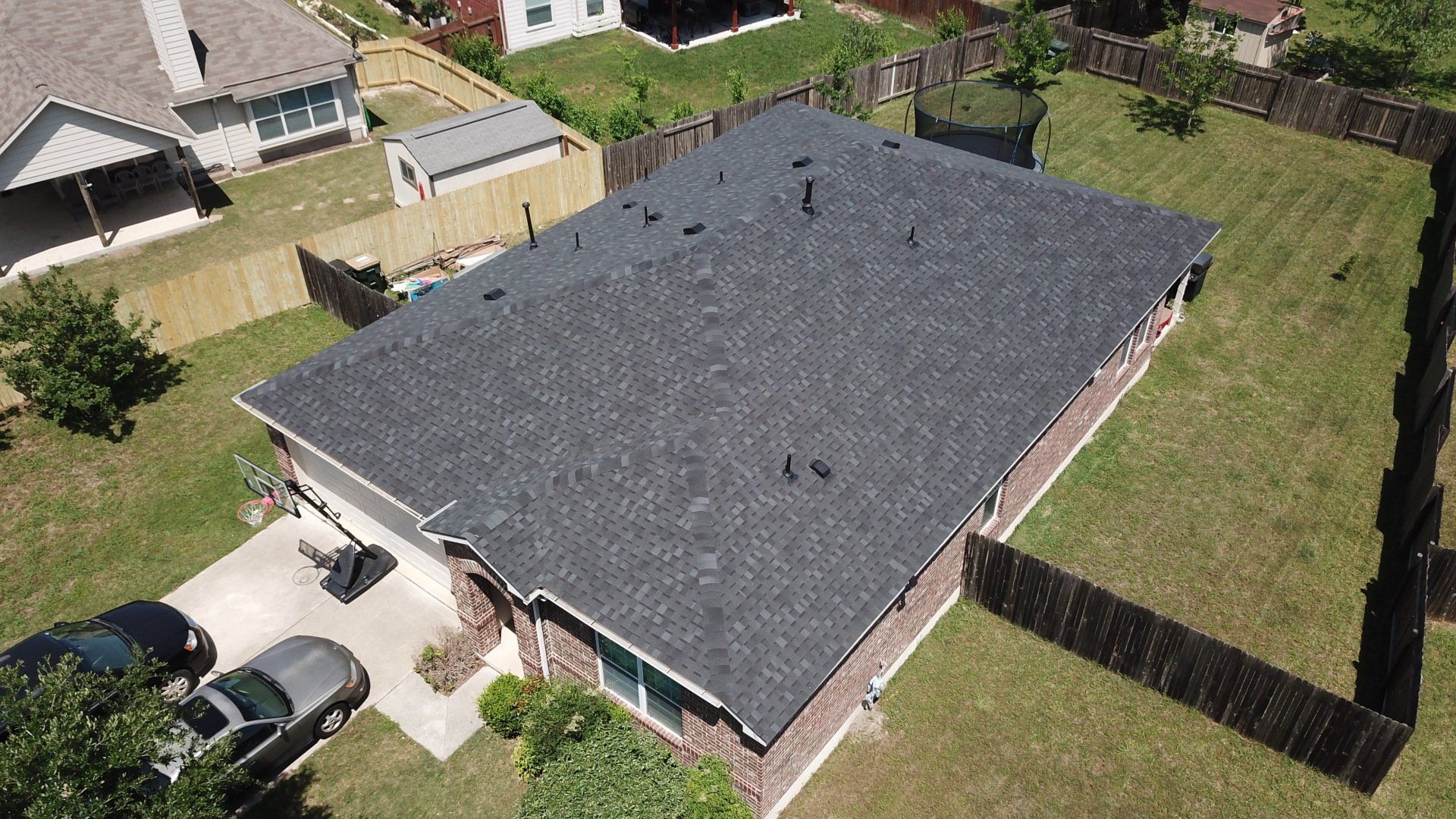
Proper ventilation is essential for maintaining a healthy roofing system. Without adequate airflow, heat and moisture can build up in the attic, leading to issues such as mold growth, warped roof decking, and shortened shingle lifespan. As temperatures begin to rise in Central Texas, it’s important to make sure attic ventilation systems are working properly.
Roof vents should be clear of debris and functioning as intended. If you notice excessive heat buildup in the attic or signs of moisture accumulation, it may be worth having a roofing professional evaluate your ventilation system. Good ventilation helps regulate temperature and protects your roof.
Schedule a Professional Roof Inspection
Even the most careful homeowner inspections can miss certain roofing issues. That’s why scheduling a professional roof inspection each spring is one of the best ways to keep your roof in excellent condition.
Experienced roofing contractors, like our team of roofing consultants, know exactly where to look for early warning signs of damage. We can identify small problems before they develop into expensive repairs or full roof replacements.
At Birdcreek Roofing, our team performs detailed roof inspections for homeowners throughout Central Texas. We evaluate shingles, flashing, ventilation, and structural components to make sure everything is functioning as it should. Routine inspections provide peace of mind and help extend the lifespan of your roof.
Keep Your Roof Ready for the Seasons Ahead
Your roof works hard year-round to protect your home from the elements. By taking the time to perform a spring maintenance check, you can catch small problems early and help your roof stay strong through the hotter months ahead.
A little preventative care can go a long way toward avoiding unexpected repairs and protecting your investment.
If you’d like a professional inspection or want to make sure your roof is ready for spring and summer weather, our team of roofing consultant is here to help. Our experienced roofing professionals proudly serve homeowners throughout Central Texas and are always happy to answer questions or take a closer look at your roof.
Keeping your roof in great shape starts with paying attention to the details—and spring is the perfect time to begin. Contact us today to get started!
Talk With a Roofing Consultant
Fill out the form below and one of our roofing consultants will be in touch with you within 24 hours.
Blog Page
Main Office
2608 N. Main St, Ste B-313
Belton, TX 76513