Central Texas Ice Storm Checklist: Roof, Gutters, and Attic
When you live in Central Texas, you expect heat, hail, and the occasional big thunderstorm. What always seems to catch people off guard? Ice.
A little bit of freezing rain or sleet can shut down roads, weigh down trees, and quietly put a lot of stress on your roof and gutters. The good news: a bit of preparation before and after a cold snap can go a long way toward preventing leaks and expensive repairs—especially when you’ve got a local roofer like Birdcreek Roofing in your corner.
Use this Central Texas ice storm checklist from Birdcreek Roofing to protect your roof, gutters, and attic before, during, and after the next freeze.
Why Ice Storms Are Tough On Central Texas Roofs
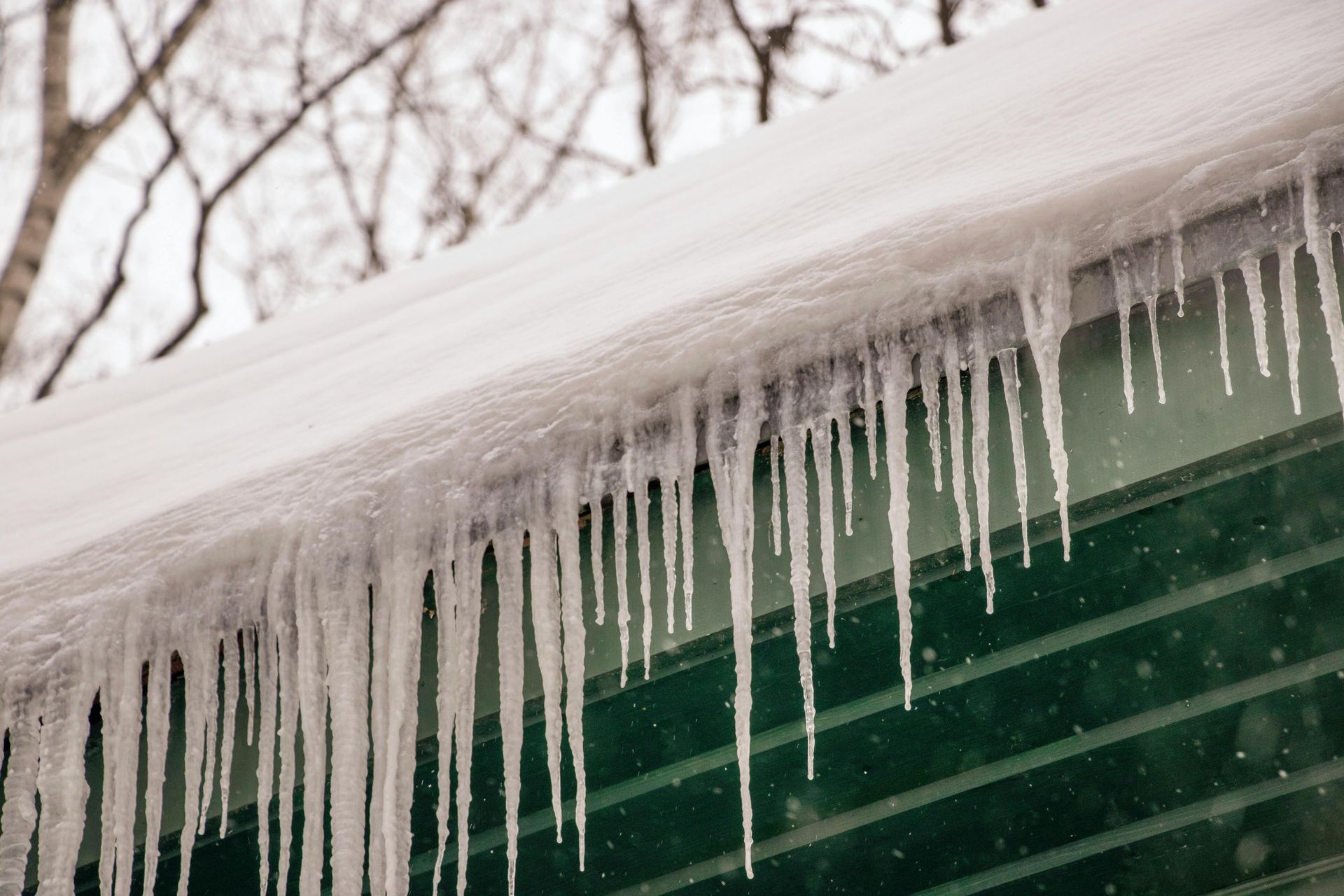
Central Texas homes aren’t built with weeks of snow in mind, but ice and freezing rain show up more often than most homeowners realize. These storms are really water problems in disguise:
- Ice builds up on roofs, branches, and gutters.
- As it melts, water looks for the easiest path inside your home.
- Any existing weak spot in your roof, flashing, or gutters becomes a target.
Because these storms come in short bursts and then thaw quickly, many homeowners miss the early warning signs. That’s why having a simple, repeatable checklist matters.
Before the Ice Storm: Simple Steps to Protect Your Home
You don’t need a full weekend or a truckload of tools to prep your roof for a Central Texas ice storm. Focus on quick wins that keep water flowing where it should and reduce the chances of surprise leaks. If you’re short on time, Birdcreek Roofing can also handle a quick pre-storm inspection for you.
Clear Your Gutters And Downspouts
If your gutters are packed with leaves and debris, melting ice has nowhere to go. That’s when water backs up under shingles, behind fascia boards, or overflows next to your foundation. Before the storm:
- Scoop out leaves, sticks, and mud from gutters.
- Make sure downspouts are clear and connected.
- Confirm that water can flow away from the house, not pool at the base of your walls.
If you’re not comfortable on a ladder, this is a great time to call Birdcreek Roofing or a trusted handyman. Clean gutters are one of the cheapest “insurance policies” you can buy for your roof.
Look For Obvious Roof Trouble From The Ground
You don’t need to climb on your roof to spot big issues. Stand back in the yard and slowly scan your roofline. Look for:
- Missing, curled, or cracked shingles
- Dips in the roof
- Loose or damaged metal flashing around chimneys, vents, and skylights
- Branches hanging low over the roof
Any weak spot on a warm, dry day can turn into a leak once it’s covered in ice. If you spot something that doesn’t look right, snap a few photos and send them to your roofing consultant for a quick opinion and, if needed, a full inspection.
Trim Back Risky Branches
In an ice storm, even healthy trees can become a problem. Ice adds weight to limbs, and when they snap, they usually aim straight for your roof, fence, or power line. If a branch is:
- Touching your roof
- Hanging directly over the house
- Already dead or split
Consider getting it trimmed back by a professional tree service before the weather hits. It’s much cheaper than repairing structural damage from a fallen limb—and a Birdcreek Roofing consultant can help assess whether a limb impact has damaged your roof if something does fall.
Check Your Attic Before The Storm
Your attic is often the first place to show signs of roof trouble. Grab a flashlight and take a quick look for:
- Dark stains or water marks on the underside of the roof decking
- Damp or compressed insulation
- Daylight shining through where it shouldn’t be
- Musty smells that suggest moisture is already sneaking in
If you notice any of these signs, Birdcreek Roofing can inspect both the roof and attic, then recommend repairs before ice and freezing rain make things worse. Fixing a small issue now is always easier than dealing with a leak in the middle of a freeze.
During The Ice Storm: Safety First, Monitoring Second
Once the temperature drops and things start to freeze, your job isn’t to fix the roof. Your job is to stay safe, keep an eye out for problems, and avoid making a bad situation worse. If something serious happens, we're available for emergency roof inspections and temporary repairs when conditions allow.
Stay Off The Roof
It might be tempting to climb up there and knock off ice or branches, but an icy roof is one of the most dangerous places you can stand. During the storm:
- Stay off ladders and roofs entirely.
- Keep kids and pets away from areas where ice or branches might fall.
- If a large limb comes down on the house and causes visible damage, focus on getting everyone safe and calling a roofer or your insurance company—not trying to fix it yourself in the moment.
When it’s safe, a Birdcreek Roofing consultant can check the damage, document it with photos, and let you know if an insurance claim makes sense.
Watch For New Leaks Or Stains Inside
Ice and freezing rain like to find weak spots you didn’t know you had. Throughout the storm, keep an eye on:
- Ceilings, especially under valleys in the roof or near chimneys and vents
- The tops of exterior walls
- Around skylights and recessed lights
- Inside closets or rooms you don’t usually look at closely
If you notice:
- New brown or yellow stains
- Bubbling or peeling paint
- Active drips or water running down a wall
Put a bucket or towel under the leak, take clear photos, and call Birdcreek Roofing as soon as it’s safe. Those photos can be helpful later if you need to file an insurance claim, and your roofer can help you understand what kind of repair you’re looking at.
Pay Attention To Unusual Noises
In very cold weather, homes make noises: pops, creaks, and cracks. That’s normal. But if you hear a loud crack followed by something shifting, or you notice a section of ceiling bowing, treat it seriously:
- Move out of that area.
- Call a professional to assess the damage.
- If you’re worried about immediate collapse, call your local fire department for guidance.
Afterward, we will inspect the roof and attic to see if ice, snow, or a fallen limb caused damage.
After The Ice: Inspecting Your Roof, Gutters, And Attic
Once temperatures rise and things start to thaw, it’s time to check for damage. This is where a simple checklist can save you from missing something that turns into a bigger problem a few weeks later. We often receive a wave of calls right after a Central Texas ice event, so this is a great time to schedule a post-storm inspection.
Do A Safe Ground-Level Inspection
Walk slowly around your home and look up at the roof and gutters. Check for:
- Shingles that look cracked, broken, or missing
- Shingles that seem to be curling or pulling up at the edges
- Bent, detached, or overflowing gutters
- Downspouts that have pulled loose from the wall
- Metal flashing that looks bent, separated, or rusted
Use your phone’s camera zoom or a pair of binoculars if you have them. If anything looks off and you’re not sure what you’re seeing, that’s the perfect time to call Birdcreek Roofing at 1-800-693-6041 for a closer look.
Check The Gutters Again
Ice and falling branches can beat up your gutters pretty quickly. After the storm:
- Clear out any new debris, such as twigs, leaves, and ice chunks.
- Make sure gutters are still securely attached and sloped toward the downspouts.
- Confirm that water can flow freely through downspouts when things thaw.
If water is spilling over the edge instead of draining properly, that’s a sign your gutter system needs attention. Gutters might not be as exciting as a new roof, but they’re a huge part of protecting your home from water damage—we can tell you whether the issue is simple maintenance or actual damage from the storm.
Take Another Trip To The Attic
Your attic can reveal problems that aren’t visible from the outside yet. After the ice has melted:
- Look for fresh water stains or damp spots that weren’t there before.
- Check for any insulation that looks wet, heavy, or discolored.
- Pay attention to musty or wet wood smells.
Even if the leak has stopped now that the ice is gone, moisture trapped in your attic can lead to mold, wood rot, and long-term damage. If anything looks suspicious, we're here to help you track down the source and recommend repairs before it turns into a bigger problem.
When To Contact Birdcreek Roofing
Not every ice storm will destroy a roof—but they’re very good at finding weaknesses that already exist. You should call us (1-800-693-6041) for a full inspection if:
- You see missing or obviously damaged shingles.
- There was a tree limb or heavy debris that hit your roof.
- Water came inside, even a little.
- Your gutters or downspouts look bent, detached, or are overflowing.
- You’re simply not sure what you’re looking at and want peace of mind.
Our team can help to:
- Document any storm-related damage
- Help you understand whether it’s minor maintenance or something more serious
- Explain if it makes sense to involve your insurance company
- Provide photos and notes you can use for a claim if needed
Ice storms in Central Texas might not be as common as summer thunderstorms, but when they hit, they hit hard. A little preparation—clean gutters, quick roof and attic checks, and knowing who to call—can be the difference between a minor inconvenience and a major roof repair.
Use this Central Texas ice storm checklist from Birdcreek Roofing before, during, and after the next freeze to keep your roof, gutters, and attic in good shape. And if you ever spot something you’re not sure about, don’t guess. Contact us today for a fast inspection and some straight answers so you can get back to normal as quickly as possible.
Talk With a Roofing Consultant
Fill out the form below and one of our roofing consultants will be in touch with you within 24 hours.
Blog Page
Main Office
2608 N. Main St, Ste B-313
Belton, TX 76513