Common Sources of Damage to Your Roof During a Storm
A strong roof is key to protecting your house. Varied weather changes can be hazardous at any time of the year. Severe storms can damage your roof in several ways, opening your home to unexpected issues. Your family and home can be protected if you know the risks.
Here’s how storm damage can affect your roof:
1. High Winds
Strong winds can cause severe damage to your roof. This can cause the following types of roof damage:
- Missing shingles
- Gutter issues
- Leaks
Strong winds can remove and tear shingles, exposing the roof deck, underlayment, and old shingles to the elements. Rain driven by the wind can cause your roof's shingles to lift and curl by destroying the seal that holds them together.
Although most shingles are rated to withstand high wind speeds,
shingle roofs take a beating during heavy storms. Up to 50 mph winds could potentially cause damage to your home or business.High winds can also cause damage to your property by scattering tree limbs and debris. Trees can also fall on your home, car, or roof.
2. Hail Storm
Most roofing materials start to be harmed when hail is about an inch in diameter. Tiny pockmarks or dimples are the most common hail damage to shingles. Along the edges, hail can also knock shingles or tiles loose.
Additionally, the length of the hailstorm plays a significant role. A roof may be fine during a brief burst of hail, but a sustained hailstorm with hail around an inch in diameter can seriously harm a roof and lead to extensive repairs or replacement.
In general, metal roofs are more waterproof than other roofing materials. Large hail, however, can dent some metal roofs, depending on the material and design of the roof. Because it is a soft metal, copper is particularly vulnerable to hail damage.
After a hailstorm, check your metal roof for dents if you have one. Steel roofs, the most popular metal roof, use a zinc or zinc alloy coat to help keep the material from rusting. A sufficiently large cut or dent can pierce this coating, which will cause rust and, eventually, a leak.
3. Heavy Rainfall
Heavy rainfall can cause water to accumulate on your roof faster than it can be absorbed. This can lead to leaks and, ultimately, damage to the roof. Additionally, heavy rain can cause trees and other vegetation to fall onto the roof.
Especially heavy rain over long periods of time could potentially wash away some of the materials applied to the roof to protect it from water, leading to even more damage.
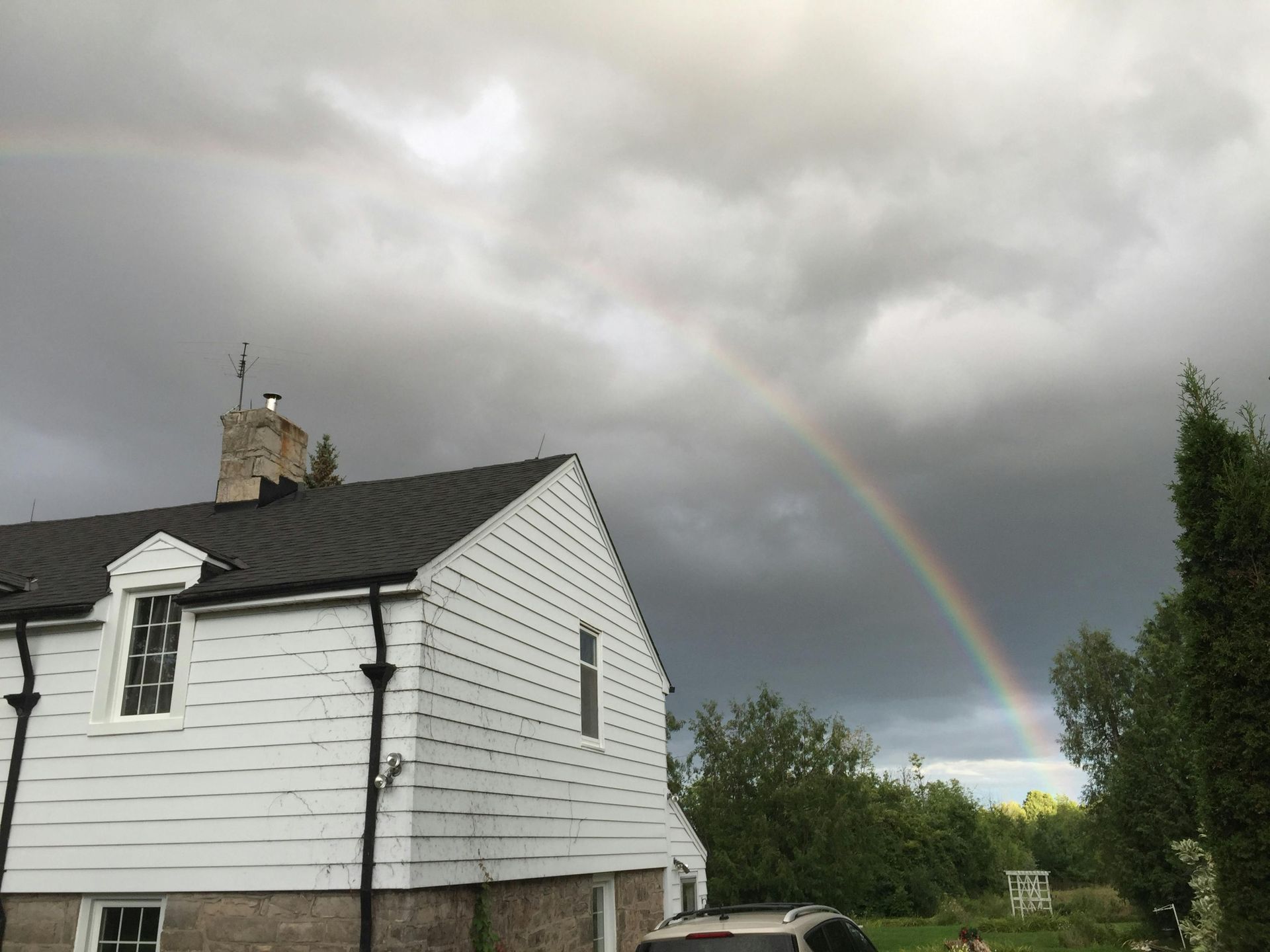
How Storm Damage Can Impact Your Roof — and When Repairs Are Needed
In the aftermath of a storm, homeowners should take note of the damage done to their roofs. In some cases, this damage can necessitate a roof replacement. When taking inventory of the damage done to your roof, it is essential to remember what weather conditions caused the storm. Knowing this information can help your roofing expert determine which repairs are necessary and how much those repairs will cost.
If you need help restoring your roof after storm damage, Birdcreek Roofing is here to help you! We know what it takes to get your roof repaired promptly, and we'll ensure that the repairs are done right. Contact us today to learn more!
Talk With a Roofing Consultant
Fill out the form below and one of our roofing consultants will be in touch with you within 24 hours.
Blog Page
Main Office
2608 N. Main St, Ste B-313
Belton, TX 76513