What’s the Best Roof Type for Texas Heat and Hail?
If you live in Texas, you already know how unforgiving the weather can be. Blazing summers, unpredictable hailstorms, and the occasional flash flood—your roof needs to handle it all. And if you're in the market for a roof replacement or building a new home, choosing the right material is one of the most important decisions you'll make.
At
Birdcreek Roofing, we help homeowners throughout Central Texas navigate this decision every day. In this article, we’re breaking down the pros and cons of the three most common roof types for Texas homes: asphalt shingles, metal roofing, and tile roofing. Each material comes with unique advantages and tradeoffs—especially when it comes to withstanding heat and hail.
Let’s take a closer look at which one might be the best fit for your home.
Why Texas Weather Requires a Tough Roof
Texas homes face some of the harshest weather conditions in the country. High temperatures frequently soar into triple digits, UV rays can be relentless, and spring and summer hailstorms are a regular threat in many regions. In Central and North Texas, especially, hail damage accounts for a large percentage of insurance claims every year.
Choosing a roof in Texas isn’t just about aesthetics or cost—it’s about performance. Your roofing system needs to resist heat, absorb or reflect sunlight effectively, and hold up against hail and high winds without cracking or degrading over time.
Asphalt Shingles: The Most Popular Option
Asphalt shingles are by far the most common roofing material used in Texas. They’re affordable, widely available, and can be installed relatively quickly.
Advantages of Asphalt Shingles
- Cost-effective compared to other roofing materials
- Available in a wide variety of colors and styles
- Easy to repair or replace if damaged
- Upgraded options like architectural or impact-resistant shingles are available for added durability
- Some products offer UV-reflective technology for better performance in hot climates
Drawbacks of Asphalt Shingles
- Standard shingles are more prone to damage from hail or high winds
- Shorter lifespan compared to other materials (typically 15 to 30 years)
- Can degrade faster under extreme heat and sun exposure
- Not as energy-efficient as metal or tile
Best For: Homeowners looking for an affordable, practical roofing solution who plan to stay in the home in the short to mid-term or who are located in areas with less frequent hail activity. Upgrading to Class 3 or Class 4 impact-resistant shingles is strongly recommended in hail-prone regions.
Metal Roofing: Built for Performance
Metal roofs are rapidly growing in popularity across Texas, and for good reason. They are durable, energy-efficient, and highly resistant to extreme weather conditions. While the initial cost is higher than that of asphalt, many homeowners view metal roofing as a long-term investment.
Advantages of Metal Roofing
- Excellent resistance to hail and wind damage
- Reflects heat and sunlight, reducing attic temperatures and energy bills
- Lifespan of 40 to 70 years or more with proper installation
- Low maintenance and resistant to mold, mildew, and insects
- Fire-resistant and can often qualify for insurance discounts due to impact resistance
Drawbacks of Metal Roofing
- Higher upfront cost for materials and labor
- Can be noisy during rain or hail unless properly insulated
- May not be permitted by all HOAs or neighborhood guidelines
- Limited aesthetic styles compared to tile or high-end shingles
Best For: Homeowners in high-hail or wildfire-risk areas who want a long-lasting, low-maintenance roof that performs exceptionally well in Texas heat. Also, a smart option for those who plan to stay in their home for decades.
Tile Roofing: Stylish and Long-Lasting
Tile roofing—usually made from clay or concrete—is known for its timeless appearance and impressive lifespan. It's commonly seen on Mediterranean or Spanish-style homes, especially in southern parts of Texas. When properly installed and maintained, tile can offer exceptional performance in hot climates.
Advantages of Tile Roofing
- Naturally resists heat and keeps homes cooler in the summer
- Lifespan of 50 years or more
- Resistant to rot, insects, and fire
- Beautiful aesthetic that increases curb appeal and home value
Drawbacks of Tile Roofing
- Heavy material that requires a strong structural foundation
- One of the most expensive roofing options
- Can crack under severe hail impact, and matching replacement tiles can be hard to find
- Installation requires specialized labor and longer timelines
Best For: Homeowners prioritizing long-term value and aesthetic appeal who are located in hot, dry regions of Texas. Not ideal in areas with frequent hail unless supplemented with protective coatings or hail-resistant tile options.
Which Roof Holds Up Best in Heat and Hail?
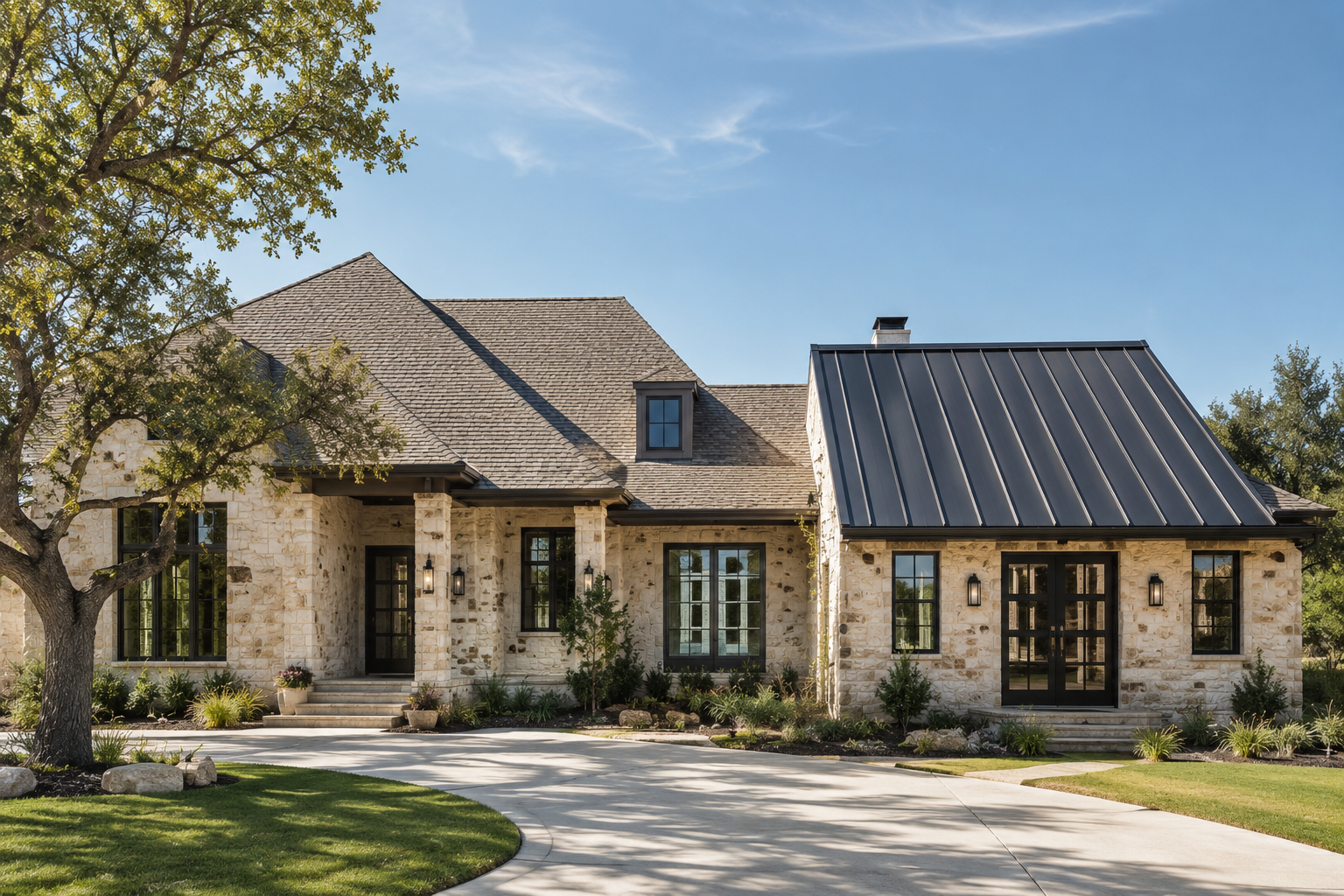
If you’re focused on resisting extreme heat, all three materials can work, with metal and tile offering superior long-term performance due to their reflective or insulating properties. In terms of hail resistance, metal roofs lead the pack, followed by upgraded asphalt shingles and then tile.
Every Texas home is different, and what works best depends on your budget, architectural style, and how long you plan to stay in the home. Here’s a general rule of thumb:
- Choose metal roofing if you want the highest performance and lowest maintenance
- Choose impact-rated asphalt shingles if you need a balance of cost and durability
- Choose
tile roofing if style and longevity are your top priorities, and your home is engineered to support the weight
The Birdcreek Roofing Recommendation
At Birdcreek Roofing, we’ve seen every type of roof handle—or fail to handle—Texas weather. In our experience:
- Metal roofing offers the best long-term protection against both heat and hail. It’s ideal for Central Texas homeowners looking to invest in durability and peace of mind.
- Impact-resistant asphalt shingles are a great middle-ground solution for homeowners wanting a budget-friendly option with decent hail protection.
- Tile roofing can work extremely well in hotter, drier areas, especially when aesthetic design is a top concern, but it requires the right structural support and isn't the best for hail-prone areas without extra reinforcement.
If you're not sure which direction to go, our team is happy to provide an honest assessment and help you compare options based on your specific home and neighborhood.
Let’s Find the Right Roof for Your Home
Your roof is more than just a protective layer—it’s your first line of defense against the unpredictable Texas weather. Choosing the right roofing material now can save you thousands of dollars in future repairs. At Birdcreek Roofing, we take the time to listen to your needs, assess your home’s structure and location, and recommend the best solution for your budget and long-term goals. Our team of experienced professionals is here to make the process smooth, transparent, and stress-free.
Whether you're building new, recovering from storm damage, or simply planning ahead, we’d be honored to help.
Have Questions About Roofing in Texas?
Contact us today to schedule a consultation or request a free quote. We’re proud to serve homeowners across Texas with honesty, expertise, and craftsmanship that stands the test of time.
Frequently Asked Questions
What type of roof is best for Texas hail?
Metal roofs and Class 4 impact-rated asphalt shingles are the most hail-resistant. Tile roofs are more vulnerable unless reinforced or coated.
Does metal roofing make your home hotter?
No. In fact, metal roofs often reflect sunlight more efficiently than shingles, helping to keep your attic cooler.
Are tile roofs good for Texas homes?
Yes, especially in hot and dry regions. They last a long time and look beautiful, but they are more expensive and may not hold up well to frequent hailstorms.
How long does an asphalt shingle roof last in Texas?
On average, 15 to 30 years shorter in areas with intense heat and frequent hail unless upgraded to impact-rated options.
Talk With a Roofing Consultant
Fill out the form below and one of our roofing consultants will be in touch with you within 24 hours.
Blog Page
Main Office
2608 N. Main St, Ste B-313
Belton, TX 76513