How to Tell When Your Roof Needs Replacing
Your roof is one of the most important elements of your home, protecting you and your family from harsh weather conditions. However, many homeowners overlook this vital aspect of their property until it's too late. At Birdcreek Roofing, we believe that understanding what a healthy roof looks like and knowing why it is crucial to maintain one is necessary for all homeowners.
Today, we will discuss some common signs that indicate that it may be time for a roof replacement, and we will discuss the difference between repairing and replacing your roof. We'll also provide insights on how long you can wait before replacing your roof and whether it's cheaper to repair or replace it. Finally, we'll wrap up by outlining the key advantages of a new roof and how it can increase the value of your home. Stay tuned as we guide you through all aspects of roof replacement and maintenance!
Understanding the Importance of a Healthy Roof
The key to a healthy roof is regular roof maintenance. Regular maintenance is absolutely crucial to avoid expensive repairs down the line. A healthy roof acts as a shield, protecting your home from water damage and leaks. Neglecting a damaged roof can lead to mold growth and even structural problems. Proper ventilation also plays a vital role in maintaining energy efficiency. Regular inspections will help identify early signs of damage, allowing for timely intervention. Keeping your roof in good shape enhances your home's overall value and ensures peace of mind.
Role of a Roof in Home Protection
Your home's roof acts as a safeguard against harsh weather conditions like hail, high winds, and extreme elements. Preventing water from entering your home ensures the safety and comfort of your loved ones. A well-maintained roof also enhances the overall value of your property, making it a wise investment for homeowners. So, whether you opt for a simple repair or a whole roof replacement, choosing the right roofing system is essential for long-term home protection.
Impact of Weather Conditions on Roof Integrity
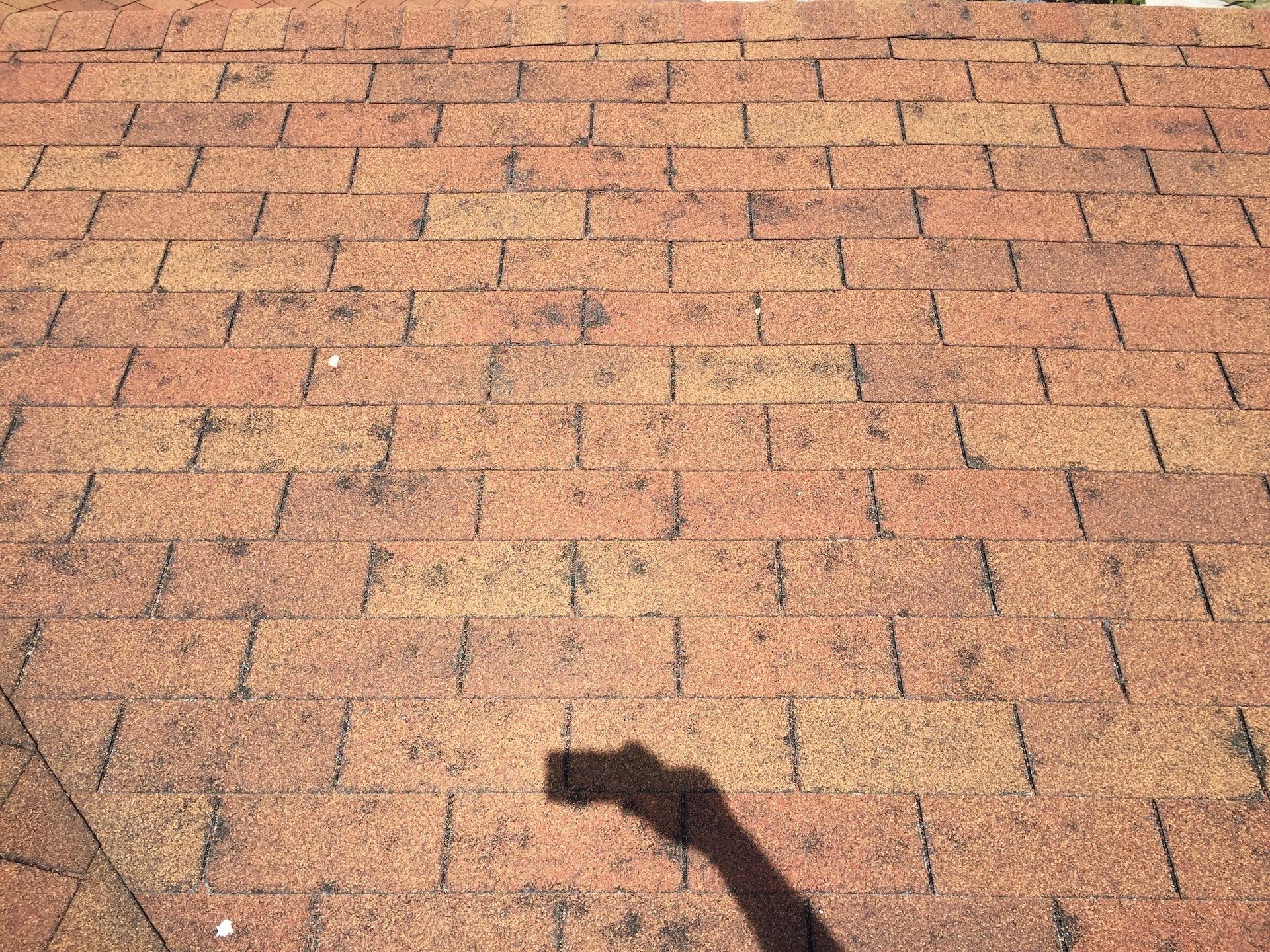
Severe weather conditions can damage shingles and cause granule loss. High winds can lift and dislodge shingles, leaving your roof vulnerable to leaks. Hailstorms can create dents and cracks in the roofing material, and extreme temperature fluctuations can lead to premature aging. Regular inspections following severe weather events will help to identify damage. Protecting your roof from the impact of severe weather conditions is essential for maintaining its integrity.
Repair vs. Replacement: Making the Right Choice
When deciding between repairing and replacing your roof, there are several factors to consider. Minor repairs can help extend the lifespan of an old roof, but if the damage is extensive, a full roof replacement may be necessary. It's important to take into account the age of your roof, as well as consult with a roofing contractor to assess its condition. Factors such as the size of the damaged area and the type of roof will also influence the right decision. Ultimately, making the right choice requires a careful evaluation of all these factors.
When is Repairing More Beneficial?
Repairing your roof is often more beneficial when the affected area is small. Damaged or missing shingles can be easily replaced. DIY repairs can suffice for really minor issues, but having a professional address more serious issues like leaks will help save your home from further damage. Regular maintenance and repairs will extend the lifespan of your roof.
When Should You Consider a Full Roof Replacement?
A full roof replacement may be necessary when your roof experiences extensive damage or is nearing the end of its lifespan (a well-maintained asphalt shingle roof may last between 15-20 years.) Multiple areas of damage or deterioration indicate the need for replacement. A consultation with one of our professional roofing consultants can determine if full replacement is the best option.
Signs It's Time to Replace Your Roof
Determining the age of your roof is crucial in deciding when it needs replacement. Assess its condition for any signs of damage or wear, including leaks or water damage. Large areas of damaged or missing shingles indicate that your roof may require replacement. When making this decision, our team can help you weigh the downsides of an older roof system vs. the benefits of investing in a new one.
Age of the Roof
Assessing the age of your roof is crucial in determining if it's nearing the end of its lifespan. Older roofs are more susceptible to damage and may require replacement. When considering a replacement, consider the number of years your roof has been in place. It's important to note that roofs typically have a lifespan of 15-25 years, depending on the materials used. Considering the age of your roof is an essential factor in making the right decision for a replacement.
Presence of Leaks or Water Damage
Take immediate action if leaks or water damage are detected. This could indicate roof damage. Look for signs of water damage inside your home, like water stains or peeling paint on the ceiling. Check your attic for leaks or water spots, especially after heavy rainfall. Dampness or mildew are also indicators of roof damage. A thorough assessment of the extent of the water damage will help determine if a full roof replacement is necessary.
Damaged or Missing Shingles
Visibly damaged or missing shingles are both clear indicators of potential roof issues. Cracked, broken, or loose shingles should be assessed for repair or replacement. Worn-down or areas with granule loss also require attention. Shingle debris in your gutters is another sign of possible roof damage. Evaluating the overall state of your shingles will help determine if replacement is necessary. Scheduling regular inspections and timely action can prevent further complications with your roof system.
How Long Can You Wait Before Replacing Your Roof?
Factors such as severe structural damage, roof age, and extent of damage all influence how long you can wait before replacing your roof. Immediate replacement is necessary in cases of severe damage to avoid further costly repairs. Regular inspections will help assess the urgency of replacement.
Immediate Replacement Scenarios
Immediate replacement scenarios for roofs include extensive water damage, rotting wood, severe storm damage, mold, and extensive granule loss. These situations require immediate attention to prevent further damage and costly repairs. Consulting with a roofing professional can help assess the urgency of replacement and ensure that homeowners make the right decision.
Situations Where You Can Delay the Replacement
Minor repairs can postpone the need for immediate replacement, especially if the damage is localized and does not appear to compromise the overall roof integrity. Regular maintenance and inspections will help identify and address issues before they worsen. A Birdcreek Roofing contractor can determine if delaying replacement is viable, considering factors like budget constraints and material availability.
By taking these factors into account, homeowners can make the right decision on when to replace their old roof.
Risks of Ignoring a Needed Roof Replacement
Ignoring a needed roof replacement can result in extensive water damage and mold growth. When the roof's integrity is compromised, it can lead to structural issues that could pose a risk to the safety of your home. Delaying replacement may also result in higher repair costs in the long run. Additionally, a damaged roof can decrease your home's energy efficiency and impact your property's overall value. It's important to pay attention to the signs and take action to address the issue promptly.
Planning for Roof Replacement
How to Budget For a New Roof
The most significant influence on the price of a roof replacement will be the size of your roof. Knowing your roof's size will help estimate costs accurately when planning for a roof replacement. Consider factors such as weather conditions and the age of your old roof. Additionally, plan for additional expenses. By using a reputable roofing contractor, like our team at Birdcreek Roofing, you can rest easy knowing your project will move smoothly.
Choosing the Right Materials
Several factors should be considered when choosing the materials for your roof. First, think about the durability and lifespan of different options. Assess your area's climate and weather conditions to determine which materials will withstand the elements. Research the pros and cons of asphalt shingles, metal roofing, and slate tiles.
Our roofing consultants can provide expert advice based on your specific needs. Additionally, consider energy-efficient materials that complement your home's aesthetic.
How to Maintain Your Roof After Replacement
Now that your roof has been replaced, it's essential to prioritize maintenance to ensure its longevity and avoid costly repairs down the line. Schedule regular inspections to identify any potential issues early on. Promptly address minor repairs to prevent them from escalating into major problems. Keep your roof clean and free of debris to prevent damage and blockages. Remember, proper attic ventilation promotes a healthy roof system. Additionally, considering professional maintenance services can extend the lifespan of your roof.
Regular Inspections and Maintenance
Regular inspections and maintenance are crucial for the health of your roof. You can conduct visual inspections yourself regularly to check for signs of damage like missing shingles, granule loss, or damaged flashing. In addition, inspect the attic for water leaks or mold growth and trim overhanging branches to prevent damage from falling debris. Clean gutters and downspouts regularly to ensure proper drainage.
By taking these simple steps, you can extend the lifespan of your roof and avoid costly repairs or replacements down the line.
Addressing Minor Issues Promptly
To ensure the longevity and functionality of your roof, it's crucial to address minor issues promptly. By tackling repairs as soon as they arise, you can prevent them from escalating into major problems. Replacing any missing or damaged shingles to maintain the integrity of your roof. Fixing loose flashing to prevent water intrusion and potential leaks. Additionally, sealing any gaps and cracks will prevent drafts and energy loss.
Can a New Roof Increase Your Home Value?
A new roof can boost your home's resale value significantly. Potential buyers are drawn to properties with recently replaced roofs, and appraisers may assign a higher value to such homes. Moreover, a new roof indicates that the rest of the house has been well-maintained. Additionally, you'll enjoy improved energy efficiency and reduced utility costs.
Your Roof's Lifespan Matters - Book a Free Consultation with Birdcreek Roofing!
At Birdcreek Roofing, maintaining the health of your roof is essential for the overall protection and safety of your home. Regular inspections and promptly addressing minor issues will help prolong your roof's lifespan exponentially. However, certain signs indicate it's time to consider a roof replacement. Factors such as the roof's age, extensive damage, leaks or water damage, and missing or damaged shingles cannot be ignored. It's crucial to weigh the costs and benefits of repair versus replacement and make the right choice.
A new roof not only ensures the integrity of your home but can also increase its value. Book a free consultation today with our incredible team of roofing contractors for expert advice and assistance in planning your roof replacement today!
Talk With a Roofing Consultant
Fill out the form below and one of our roofing consultants will be in touch with you within 24 hours.
Blog Page
Main Office
2608 N. Main St, Ste B-313
Belton, TX 76513