How Texas Heat Affects Your Roof (And What You Can Do About It)
When summer hits Texas, it doesn’t just bring long days and triple-digit temps—it also puts your roof to the test. Whether you’re in Central Texas, the Hill Country, or the coast, prolonged exposure to heat and UV radiation can take a serious toll on your roofing system. At Birdcreek Roofing, we’ve seen firsthand what intense sun and scorching temperatures can do to a roof—and how the right maintenance can help you avoid costly damage.
Let’s examine how the Texas heat affects your roof, look for signs of damage, and learn what you can do to keep it in top shape this summer.
The Impact of Texas Heat on Your Roof
Texas summers are no joke. With daily highs often exceeding 100°F and UV indexes staying in the extreme range, your roof is constantly exposed to conditions that accelerate wear and tear. Here’s how the heat causes damage over time:
1. Shingle Deterioration
Asphalt shingles, which are common in Texas homes, are especially vulnerable to heat. Prolonged exposure to high temperatures causes them to dry out, curl, or crack. The protective granules on the surface can loosen or wash away, making shingles less effective at blocking UV rays and moisture.
2. Thermal Expansion and Contraction
Roofing materials expand in the heat and contract when temperatures drop at night. Over time, this daily cycle of expansion and contraction can cause warping, loosening of fasteners, and stress on flashing and seams. This is a leading cause of premature roof failure in hot climates like Texas.
3. UV Radiation Damage
Texas sunshine doesn’t just bring heat—it delivers intense UV radiation. UV rays degrade roofing materials by breaking down the chemical bonds in shingles, membranes, and coatings. This weakens the roof’s protective layers and accelerates aging.
4. Underlayment and Decking Damage
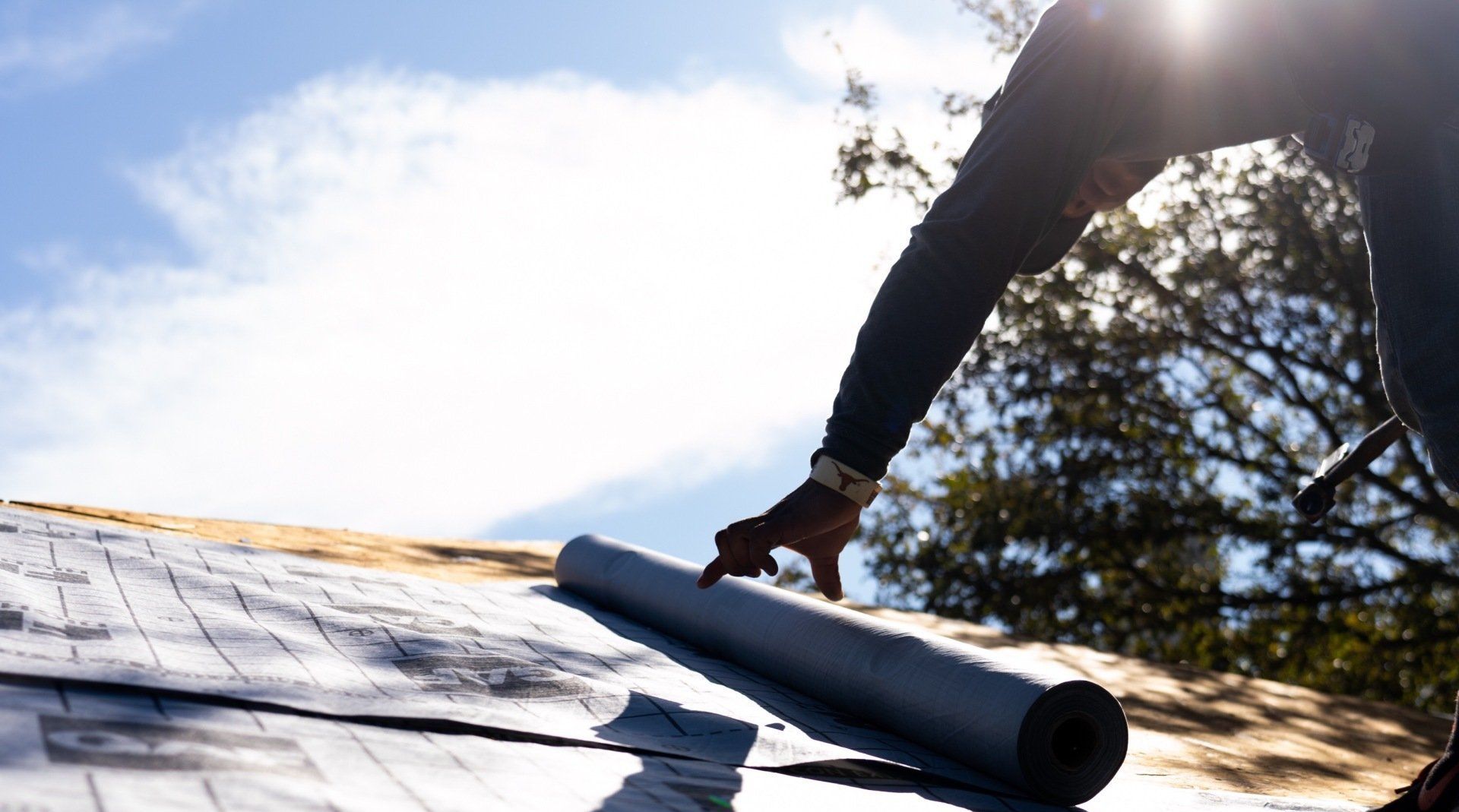
When surface temperatures reach 150°F or more (not uncommon on Texas rooftops), that heat can radiate downward. This puts stress on the underlayment and decking beneath your shingles, potentially drying out the wood and underlayment and increasing the risk of cracks and leaks.
5. Ventilation Issues
If your attic or roof isn’t properly ventilated, the trapped heat can raise indoor temperatures and bake your roof from the inside out. This contributes to even faster deterioration of shingles and can make your cooling bills skyrocket.
Signs of Heat Damage to Watch For
Catching roof damage early can save you from more expensive repairs down the road. Keep an eye out for these signs that the Texas sun is doing a number on your roof:
- Curling or buckling shingles
- Cracked or brittle shingles
- Bald spots where granules are missing
- Melted or warped roofing components (especially near vents or chimneys)
- Peeling flashing or seals around roof penetrations
- Hot spots in your attic or ceiling
If you see any of these signs, it’s time to schedule a professional roof inspection. At
Birdcreek Roofing, we offer free assessments to help you catch heat damage before it leads to leaks or other problems.
Summer Roof Maintenance Tips for Texas Homeowners
Preventing heat damage starts with proactive maintenance. Here are steps you can take during the hot months to extend the life of your roof:
1.
Schedule a Professional Inspection:
Before peak summer hits, have your roof inspected by a licensed contractor. We’ll check for early signs of damage, weak points in your roof system, and potential ventilation issues. Even small cracks or curled shingles can turn into major problems during summer heat waves.
2. Clean Your Gutters and Roof Surface: Debris like leaves and branches can trap heat and moisture on your roof, creating hot spots that accelerate damage. Clean your roof and gutters at the beginning of the season to help your roofing system breathe and drain properly.
3. Check and Improve Attic Ventilation: Your attic should efficiently allow hot air to escape. Make sure soffit vents, ridge vents, or fans are clear and working correctly. Improved airflow not only protects your roof but can also reduce your AC bills.
4. Trim Overhanging Trees: While shade might seem helpful, overhanging limbs can damage your roof in a storm and create spots where debris collects. Keep trees trimmed back to avoid unnecessary wear.
5. Consider Reflective Coatings or Lighter Shingles: If your roof is due for replacement, ask about cool roofing materials designed to reflect sunlight and reduce heat absorption. Reflective coatings or lighter-colored shingles can significantly lower roof temperatures and help prevent heat-related damage.
6. Don’t Ignore Minor Issues: In Texas, a small roofing problem can get worse fast. A cracked shingle might not leak today, but after a week of intense sun and thermal movement, that crack can widen into a leak. Address issues quickly—especially during the summer months.
Should You Replace Your Roof During the Summer?
Some homeowners worry that summer is the wrong time for roof work—but in Texas, summer is actually a common time for roof replacements, especially after hail season. As long as precautions are taken to protect workers and materials from extreme heat, roof installation in the summer is safe and often ideal due to dry weather and fewer rain delays.
If your roof is nearing the end of its lifespan or has already sustained heat damage, don’t wait until fall. Replacing it before more damage occurs can save you thousands and ensure your home stays protected year-round.
Commercial Roofs and Heat: What to Know
Commercial buildings in Texas, especially those with flat or low-slope roofs, face unique heat challenges. Materials like TPO, EPDM, or built-up roofing systems can become brittle or blister under extreme UV exposure.
Business owners should:
- Have regular inspections of seams, drains, and rooftop equipment
- Consider adding reflective coatings or white membranes
- Ensure rooftop HVAC units are not radiating excess heat onto the surface
Birdcreek Roofing offers full
commercial roofing maintenance programs to help property managers and business owners stay ahead of heat-related roofing issues.
How Birdcreek Roofing Can Help
With years of experience roofing homes and businesses across Texas, Birdcreek Roofing understands how brutal summer can be on your roof. Whether you need a simple inspection, emergency repairs, or a full roof replacement, we’re here to help.
We offer:
- Free roof inspections
- Emergency storm and heat damage repair
- Energy-efficient roofing solutions
- Honest estimates with no pressure
- Industry-leading warranties
Keep Your Roof Cool and Strong This Summer
The Texas heat isn’t going anywhere—but that doesn’t mean your roof has to suffer. By staying ahead of potential issues with proper summer roof maintenance, you can avoid expensive repairs and protect your investment. Do you think your roof might be suffering from heat damage?
Contact us today to schedule a free inspection to keep your home safe and cool all summer long.
FAQ: Texas Heat & Roof Damage
How hot does a Texas roof get in summer?
Roof surfaces in Texas can reach 150°F–180°F, especially if they’re dark-colored asphalt shingles.
Does the sun wear out shingles faster?
Yes. UV radiation breaks down shingles over time, causing them to dry out, crack, and lose protective granules.
Can heat cause a roof to leak?
Indirectly, yes. Heat causes expansion and contraction, which can damage seals and flashing and eventually lead to leaks.
Is it safe to replace a roof in the summer?
Yes—most reputable roofers in Texas are used to working in the heat and take precautions to protect materials and workers.
What’s the best roof for hot Texas weather?
Metal roofs, cool asphalt shingles, and reflective coatings are all excellent options for Texas heat resistance.
Talk With a Roofing Consultant
Fill out the form below and one of our roofing consultants will be in touch with you within 24 hours.
Blog Page
Main Office
2608 N. Main St, Ste B-313
Belton, TX 76513