Heat vs Hail: How Central Texas Weather Wears Down Your Roof Year-Round
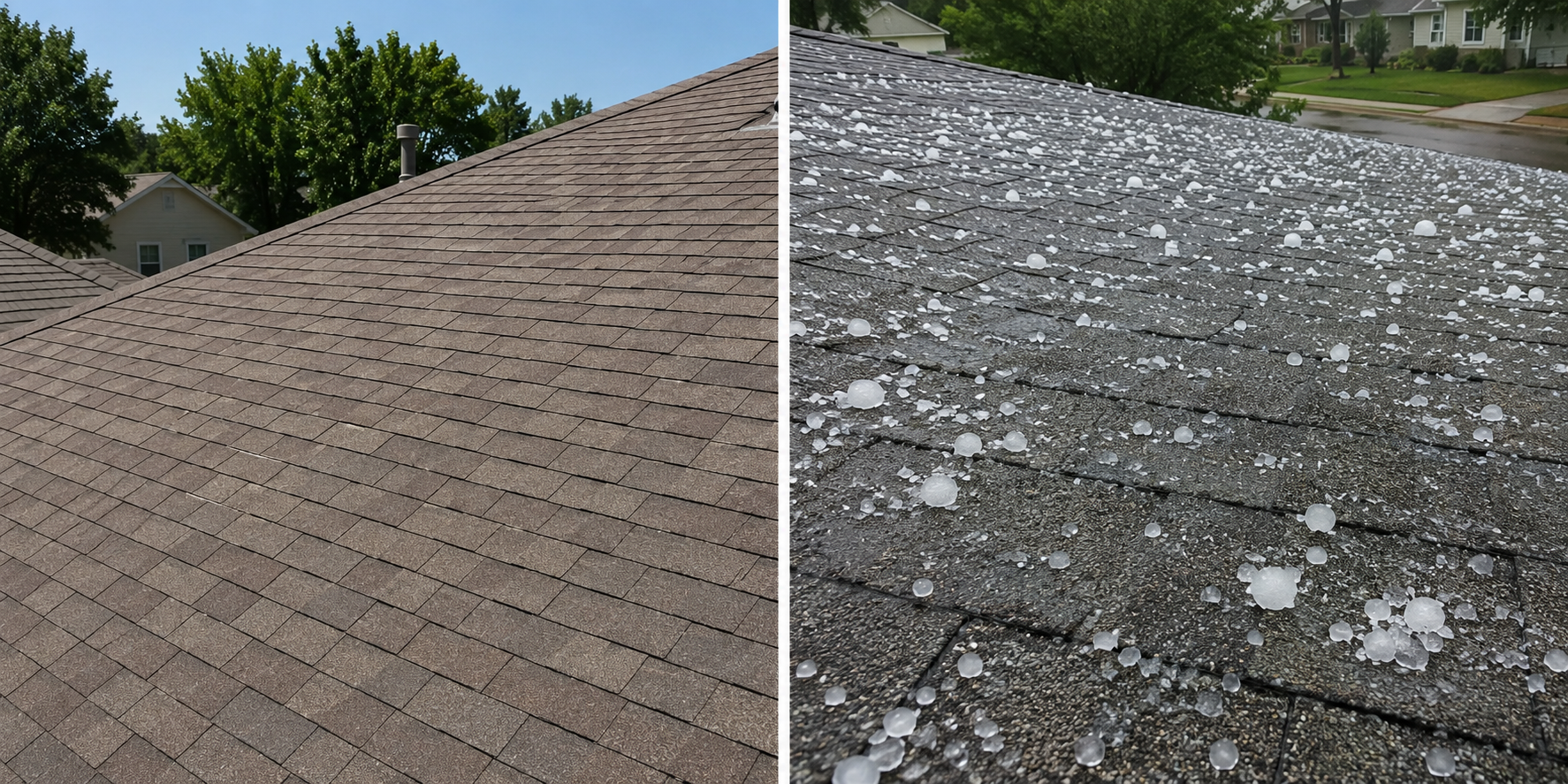
Texas weather doesn’t exactly play nice. One month you’re sweating through triple-digit summer afternoons, and the next you’re listening to hail the size of golf balls slam against your shingles. For homeowners in Central Texas, these extreme temperature swings and storm events can quietly wear down your roof long before you notice a single leak.
At
Birdcreek Roofing, we’ve inspected and repaired thousands of roofs across Austin, Belton, Waco, Round Rock, and surrounding communities. One thing we see repeatedly is how heat and hail work together over time to weaken roofing systems—even when the damage isn’t immediately apparent from the ground. Understanding how these elements affect your home can help you stay ahead of costly repairs and extend the life of your roof.
In this guide, we’ll break down how Central Texas weather impacts your roof during every season, the warning signs to look for, and how regular inspections can keep your home protected year-round.
Texas Heat: The Slow but Steady Roof Killer
Let’s start with the obvious: Central Texas heat is relentless. From late spring through early fall, roof surfaces can reach temperatures well above 140°F. Even durable roofing materials are constantly expanding, contracting, and absorbing UV radiation. Over time, this causes subtle but significant wear.
1. Thermal Expansion and Contraction
When roofing materials heat up, they expand. When they cool down at night, they contract. This daily movement puts stress on shingles, fasteners, flashing, and sealants. Over time, it can cause:
- Nail pops — where nails loosen and push up through shingles, creating entry points for water.
- Cracked sealant and flashing around chimneys, vents, and skylights.
- Warping or cupping shingles, especially on older roofs that have already weathered a few summers.
This expansion-contraction cycle happens quietly day after day, but it’s one of the biggest culprits behind roof deterioration in Texas.
2. UV Degradation
Texas sun isn’t just hot — it’s intense. Prolonged UV exposure breaks down asphalt shingles’ protective granules, causing them to fade, become brittle, or lose their weatherproof coating. Once granules wash away, shingles are far more vulnerable to wind uplift, hail impact, and leaks.
3. Ventilation Problems Exacerbate Heat Damage
A poorly ventilated attic acts like an oven, trapping heat beneath your roof. This accelerates the aging of shingles from below and can even void manufacturer warranties if temperatures exceed recommended levels. Proper roof ventilation is crucial for maintaining a cool roof deck and preventing premature shingle deterioration.
Hail: Sudden, Dramatic, and Costly
If heat is the slow burn, hail is the knockout punch. Central Texas is one of the most active hail regions in the country. Spring and early summer storms often bring severe hail that can damage roofs in a single event.
1. Hail Impact on Different Roofing Materials
- Asphalt Shingles: Hail knocks off granules, leaving behind bruises or soft spots that expose the underlying asphalt. These weakened areas may not leak immediately, but they will deteriorate rapidly.
- Metal Roofs: While more resilient, metal roofs can suffer cosmetic dents or, in extreme cases, punctures. Hidden seal failures around fasteners are also common.
- Tile or Slate Roofs: Large hail can crack or shatter individual tiles, leading to leaks if not addressed quickly.
2. Invisible Damage
Not all hail damage is visible from the ground. Homeowners often assume that if there are no obvious holes, they’re in the clear. But bruised shingles may take months to manifest as leaks. By that time, insurance claim windows may have closed, and repairs become out-of-pocket expenses.
3. Insurance Timelines
Following a significant hail or wind event, it's important to have your roof inspected as soon as practical. Storm-related damage is often easier to identify and document shortly after an event occurs. Timely inspections also help homeowners better understand the condition of their roof and determine what repairs or restoration work may be needed.
Heat and Hail: A One-Two Punch
What makes Central Texas roofing unique isn’t just the presence of heat or hail—it’s how they interact over time.
- Heat weakens roofing materials first. The UV radiation and thermal cycling dry out shingles, making them more brittle and less flexible.
- Hail strikes a weakened surface. Even moderate hail can do more damage on a roof that’s already sun-baked and brittle.
- Heat then accelerates the damage after impact. Once granules are knocked off, UV rays break down the exposed asphalt quickly, leading to leaks and structural issues sooner than you’d expect.
This combination explains why many Texas roofs that look “fine” from the ground may be approaching the end of their lifespan sooner than the warranty suggests.
Warning Signs to Watch for Year-Round
While not every issue will be visible without climbing onto the roof, there are some clear signs your roof is feeling the effects of Texas weather:
- Bald spots or excessive granules in gutters after storms.
- Shingle edges curling or lifting, especially on sun-facing slopes.
- Water stains on interior ceilings or attic decking.
- Sudden increase in cooling costs, which could signal heat damage or ventilation issues.
- Small dents on metal flashing, gutters, or vents—often a clue that hail hit your roof harder than you realized.
- Loose nails or raised shingles, which can happen from thermal expansion.
If you spot any of these, it’s time to bring in a professional roofing team for an inspection.
Why Regular Inspections Are Essential in Texas
Given the unique weather patterns here, Central Texas homeowners should schedule professional roof inspections at least once a year—and always after major hailstorms. Here’s why:
- Catch small problems before they become leaks. A lifted shingle today can be a ceiling stain tomorrow.
- Document the roof condition. Regular inspections provide a record of your roof's condition over time and can help identify changes or storm-related damage that may require repair or restoration.
- Extend the lifespan of your roof. Preventive maintenance can often add years to your roof’s service life.
- Keep warranties valid. Many roofing material manufacturers require proof of regular inspections to honor their guarantees.
At Birdcreek Roofing, our inspection team is well-versed in identifying specific issues common to Central Texas climates. We don’t just glance at the surface—we check flashing, underlayment, ventilation, and every inch of your roof for heat and hail damage.
Proactive Roofing Strategies for Texas Homeowners
Beyond inspections, there are a few smart strategies that can help your roof last longer:
- Upgrade to impact-resistant shingles if your roof is due for replacement. These are specifically designed to withstand hail better than standard asphalt shingles.
- Ensure proper attic ventilation. A well-ventilated attic keeps the roof deck cooler and reduces thermal stress.
- Keep your gutters clear. Backed-up water can worsen hail damage by allowing moisture to pool.
- Trim nearby tree limbs. Overhanging branches can scrape shingles in the wind or break during storms.
- Consider reflective roofing materials if your home is exposed to intense summer heat. Light-colored or reflective shingles reduce heat absorption and energy costs.
Partner with a Roofing Team That Understands Texas Weather
Your roof doesn’t get a break in Central Texas—it’s working overtime in both the scorching sun and the sudden hailstorms. That’s why choosing a local roofing company with deep regional experience matters.
Birdcreek Roofing has been serving Texas homeowners since 2013, with more than 20,000 satisfied customers across Austin, Belton, Waco, Round Rock, Temple, and surrounding communities. Our team understands how local weather affects different roofing systems, and we offer honest assessments, transparent pricing, and workmanship you can trust.
Whether you’ve just weathered a hailstorm or you’re concerned about years of sun exposure, our free roof inspections can give you peace of mind and help you make smart decisions before small problems become big ones.
Schedule Your Free Roof Inspection Today
Don’t let Texas weather catch you off guard. If it’s been a while since your last roof check—or if your home recently experienced severe heat or hail—schedule a free inspection with Birdcreek Roofing today!
Talk With a Roofing Consultant
Fill out the form below and one of our roofing consultants will be in touch with you within 24 hours.
Blog Page
Main Office
2608 N. Main St, Ste B-313
Belton, TX 76513