What’s Hiding Under Your Shingles? The Importance of Roof Decking Inspections
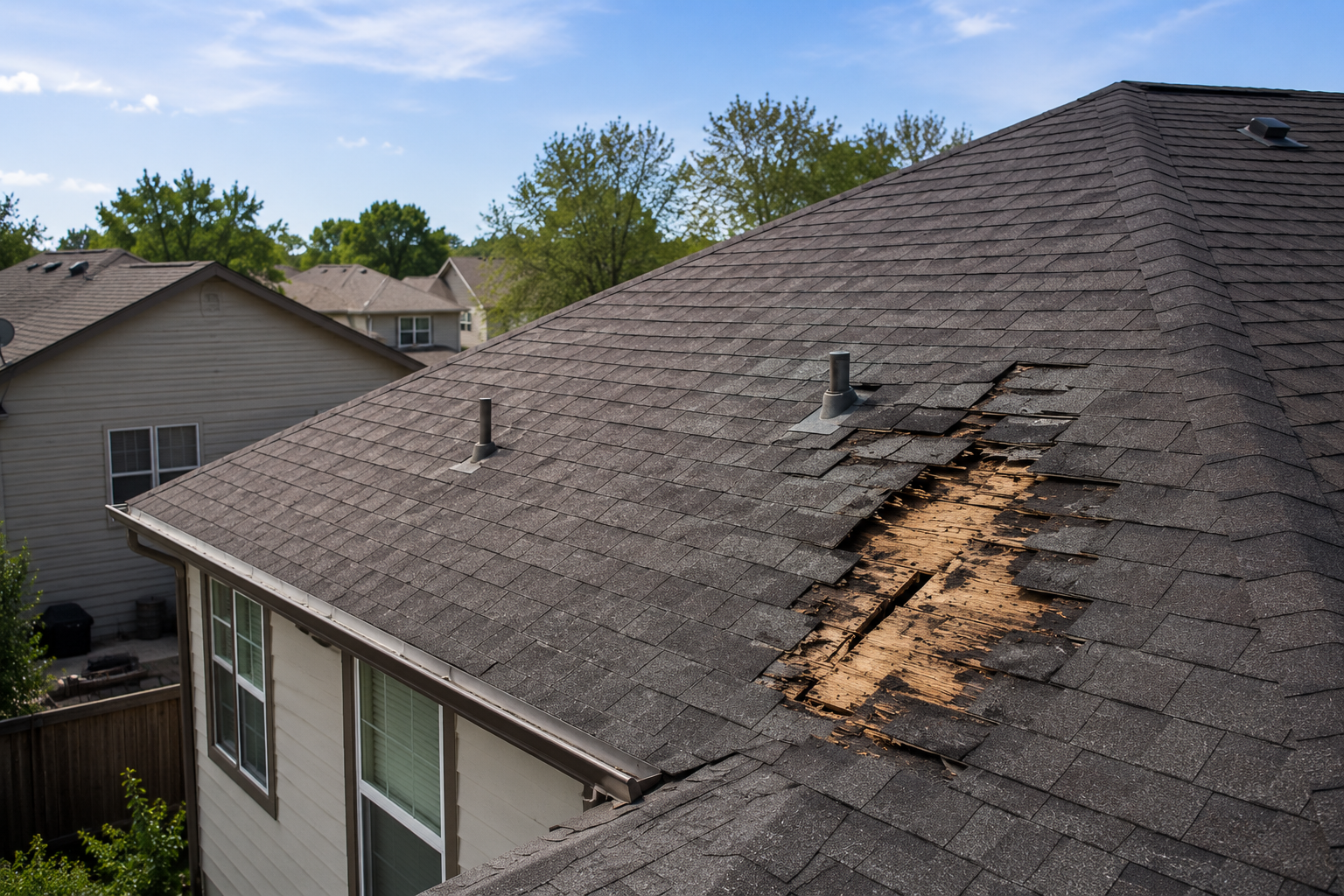
When most homeowners think about their roof, they picture the shingles: rows of asphalt, metal, or tile that shield their home from Texas weather. But shingles are only the outer layer of a much more complex system. Beneath those visible surfaces lies the roof decking, supported by layers of sheathing and underlayment that play an equally critical role in keeping your home dry, safe, and sound.
Unfortunately, these hidden components are often ignored—until a problem arises. That’s where professional roof decking inspections come in. At
Birdcreek Roofing, we’ve seen firsthand how damage beneath the shingles can turn a routine repair into a major project if it’s not caught early. This guide will walk you through what’s under your shingles, why inspections matter, and how hidden damage impacts roof repairs.
Understanding the Layers of Your Roof
Your roofing system is more than meets the eye. Each layer has a specific purpose, and all of them work together to protect your home.
Roof Decking (Sheathing)
The roof decking, often made of plywood or oriented strand board (OSB), is the foundation of your roof. It’s the flat surface to which shingles are nailed, providing stability and distributing weight evenly across the structure. If decking is weakened by moisture, rot, or pests, it can compromise the entire roofing system—making shingles more likely to shift, crack, or fail.
Underlayment
Installed directly on top of the decking, underlayment is a water-resistant or waterproof barrier. Traditional felt paper and modern synthetic underlayments help prevent leaks by providing backup protection in the event that shingles are damaged. Underlayment also adds fire resistance and can improve energy efficiency by reflecting heat away from the home.
Shingles (or Other Roofing Material)
Shingles, metal panels, or tiles are the roof’s first line of defense. They bear the brunt of Texas's sun, hail, and storms, but they rely on the integrity of the decking and underlayment below to function properly.
Why Roof Decking Inspections Are Critical
Most homeowners schedule a roof inspection after a hailstorm or when they notice missing shingles on their roof. While those checks are important, it’s equally essential to look beneath the surface.
Detecting Hidden Water Damage
A roof can appear fine from the outside, yet water may already be seeping through cracks, nails, or poorly sealed flashing. Over time, moisture causes decking to swell, warp, or rot. By the time you see a water stain on the ceiling, the damage beneath your shingles may already be significant.
Ensuring a Proper Roof Replacement
When replacing shingles, your contractor relies on sturdy decking to nail into. If the decking is compromised, new shingles may not perform as intended, and certain manufacturer warranty requirements may not be met. Inspections enable roofers to identify and replace defective decking before installing new materials.
Saving Money on Long-Term Repairs
Catching hidden issues early usually means less expensive repairs. Replacing a few sheets of plywood during a roof repair is far cheaper than ignoring the problem until you need a full rebuild.
Signs of Hidden Damage Under Your Shingles
Because you can’t see under your shingles, it’s important to recognize indirect signs that your decking or underlayment may be compromised:
- Uneven Shingles: Warped decking beneath can cause shingles to buckle or lift.
- Persistent Leaks: Water stains that return after patching suggest deeper issues.
- Moldy or Musty Odors in the Attic are often a sign of trapped moisture in the roof layers.
- Excessive Granules in Gutters: Beyond shingle wear, this can indicate water flow issues impacting the underlayment and decking.
If you notice any of these symptoms, a professional inspection is the only way to confirm the cause.
The Roof Decking Inspection Process
At Birdcreek Roofing, we consider decking inspections a vital component of every repair or replacement project. Here’s what that process typically involves:
- Exterior Assessment: We begin with a visual inspection of the shingles, flashing, and gutters to identify areas where water may be entering.
- Attic Evaluation: Inside your home, we check the attic for moisture, mold, rot, or daylight shining through cracks in the roof. The attic often reveals problems that are hidden from view.
- Selective Removal of Shingles: In cases of suspected damage, we carefully remove sections of shingles to inspect the decking and underlayment directly.
- Testing for Soft Spots: Roofers look for areas where the decking feels spongy underfoot, a sign of rot or delamination.
- Documentation & Recommendations: We document all findings with photos and provide recommendations—whether that means repairing isolated decking sections or planning a more extensive replacement.
How Hidden Damage Impacts Repairs
Ignoring what’s under your shingles can make a small issue spiral into a costly problem. Here are some real-world examples of how hidden damage affects roofing work:
- Repair That Becomes Replacement: Homeowners often call us for a simple leak repair, only to discover widespread rot beneath the shingles. Instead of a small patch, the entire roof deck may need to be replaced.
- Warranty Voids: Manufacturers require shingles to be installed on solid, flat decking. If decking is compromised, new materials won’t qualify for warranty coverage.
- Storm Restoration Challenges: Hidden decking damage may not become apparent until roofing materials are removed. Identifying these issues early helps ensure repairs or restoration work can be completed properly and according to manufacturer and building code requirements.
- Energy Inefficiency: Damaged decking and underlayment can allow hot Texas air into your attic, driving up cooling costs and reducing your home’s efficiency.
Preventing Problems with Proactive Care
You can’t stop storms, heat, or age from impacting your roof, but you can reduce surprises by investing in regular inspections and maintenance.
Schedule Routine Inspections
The National Roofing Contractors Association recommends at least two inspections per year, typically in the spring and fall. In Texas, we also recommend checking after major hail or wind events.
Keep Gutters Clear
Clogged gutters can cause water to back up under shingles and into the decking. Clean them regularly, especially after storms or heavy leaf fall.
Maintain Attic Ventilation
Good airflow prevents condensation that can damage decking from the inside out.
Act Quickly on Warning Signs
Don’t ignore leaks, musty smells, or damaged areas. The sooner you address potential problems, the less extensive the repairs will be.
Why Choose Birdcreek Roofing for Decking Inspections
At Birdcreek Roofing, we understand that what’s hidden under your shingles is just as important as what’s visible. Our team provides:
- Comprehensive inspections that go beyond surface-level checks.
- Experience with Central Texas weather, from hailstorms to triple-digit summers.
- Honest assessments, accompanied by photos and clear explanations of our findings.
- Quality repairs and replacements, backed by warranties and trusted materials.
We don’t just replace shingles—we make sure every layer of your roof is strong, secure, and ready to protect your home for years to come.
Protect Your Home with a Professional Roof Decking Inspection
Your roof is a system, not just a set of shingles. Without healthy decking and underlayment, even the best shingles won’t keep your home safe. That’s why roof decking inspections are such an important part of long-term home maintenance.
If you suspect hidden damage or want peace of mind before storm season, schedule a professional inspection with
Birdcreek Roofing. We’ll help you uncover what’s hiding under your shingles—before it becomes a costly surprise.
Talk With a Roofing Consultant
Fill out the form below and one of our roofing consultants will be in touch with you within 24 hours.
Blog Page
Main Office
2608 N. Main St, Ste B-313
Belton, TX 76513