What Happens If You Ignore Roof Damage Over the Winter
At Birdcreek Roofing, we’ve worked with thousands of Texas homeowners over the years, and one thing we see repeatedly during winter is roof damage that gets pushed off because it doesn’t seem urgent. We get it. Texas winters are usually mild, and if there’s no obvious leak, it’s easy to believe your roof made it through just fine. The reality, though, is that winter weather often creates conditions that quietly make small roofing issues much worse by the time spring arrives. Ignoring roof damage over the winter rarely works out in a homeowner’s favor. Here’s why:
Small Roof Problems Have a Way of Growing
One of the biggest misconceptions we hear is that minor roof damage can safely wait. In practice, even small problems create weak points that allow wind, moisture, and temperature changes to start working against your roof system.
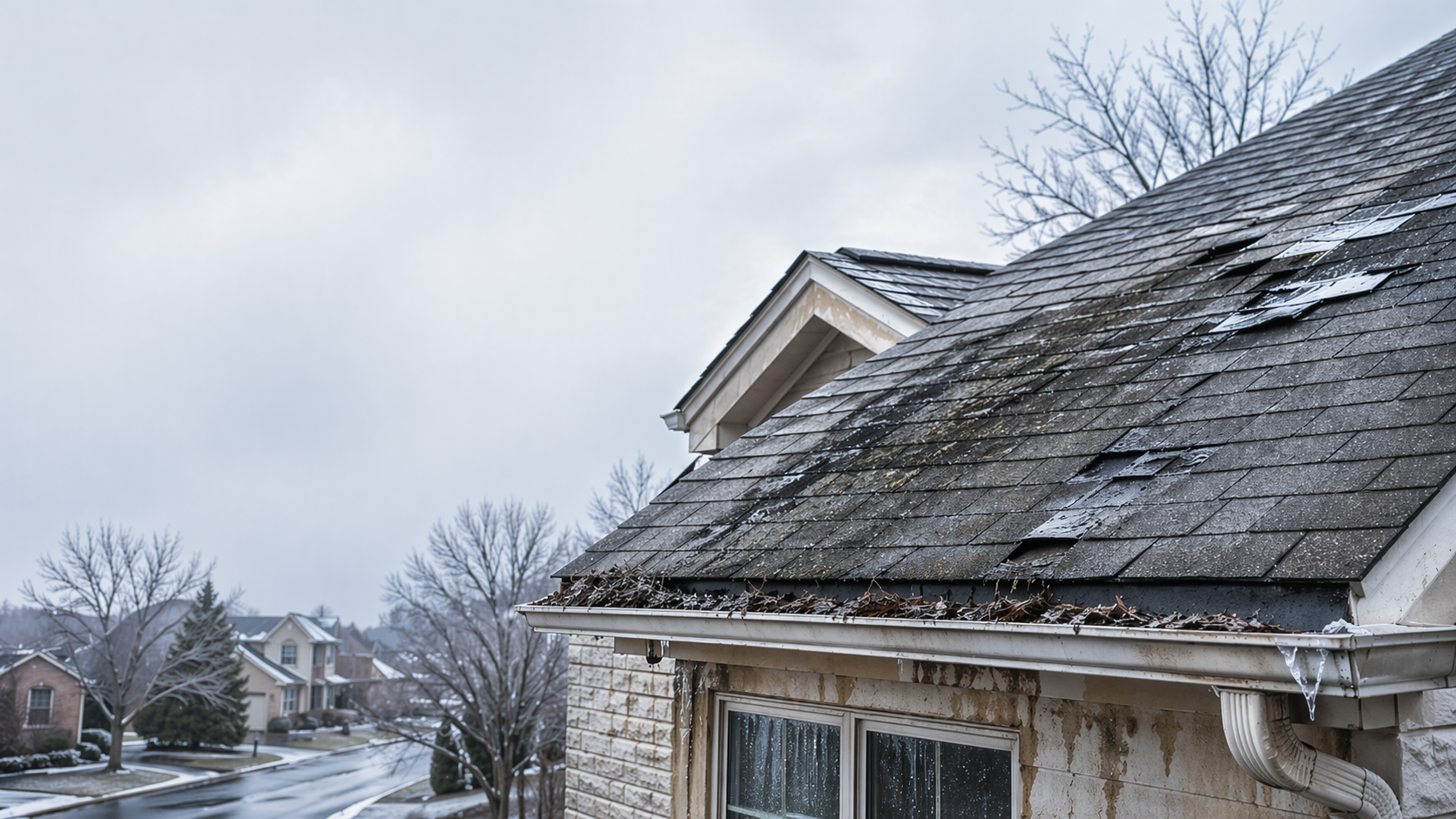
A cracked shingle or loose flashing might not cause immediate interior damage, but it does expose protective layers. Over time, that exposure can compromise the materials beneath the surface, weakening the roof in ways that aren’t visible from the ground. By the time warmer weather arrives, what could have been a straightforward repair may involve deeper issues that require more extensive work.
Winter Moisture Rarely Stays Where You Expect It
Winter moisture doesn’t always announce itself with a drip from the ceiling. More often, it seeps into the roofing system slowly and settles in hidden areas. Cold rain, seasonal humidity changes, and overnight temperature drops all introduce moisture into a roof—especially one with existing damage. Once inside, that moisture tends to collect in attics, insulation, or wall cavities, where it can sit undetected for months.
We frequently find roof damage in winter that leads to insulation breakdown, subtle mold growth, or wood deterioration long before homeowners notice any visible signs inside their homes.
Freeze–Thaw Cycles Stress the Entire Roof System
Texas winters are known for temperature swings, and those shifts can be hard on a damaged roof. When moisture enters small cracks or seams and then freezes overnight, it expands. When temperatures rise again, it contracts.
This constant expansion and contraction slowly pries materials apart. Shingle cracks widen, flashing loosens, and sealants lose their hold. What started as a minor flaw early in the winter can turn into a much larger failure by the end of the season.
These freeze–thaw cycles are one of the main reasons winter roof damage tends to escalate rather than stabilize.
The Damage Isn’t Always Where You Think It Is
Many homeowners focus solely on shingles, but winter roof damage often affects components that aren’t immediately noticeable. Flashing around vents, chimneys, skylights, and roof valleys is especially vulnerable during winter storms and high winds. When flashing shifts or separates, water has a direct path inside—even if shingles still appear intact.
Ventilation also plays a major role. Damaged or inadequate ventilation can trap moisture in the attic during cooler months, leading to condensation that slowly damages wood framing and insulation. Gutters and drainage systems often suffer as well. Winter storms can loosen connections or create blockages, causing water to back up along roof edges instead of draining safely away from the home.
Interior Damage Often Comes as a Surprise
When roof damage is ignored through the winter, interior problems often appear suddenly—and at the worst possible time. Homeowners may notice stains on the ceiling, soft spots in drywall, or peeling paint after a heavy rain. In some cases, insulation becomes damp and loses its ability to regulate temperature, or moisture reaches electrical components.
By the time interior damage shows itself, the roofing issue that caused it has usually been present for months. At that point, repairs often extend beyond the roof and into the home itself.
Mold Thrives in Cold, Damp Conditions
Mold doesn’t require heat—it requires moisture. When winter roof damage allows moisture to enter and become trapped in attics or wall cavities, mold can begin to grow without being detected.
Because these areas are out of sight, mold issues often go unnoticed until odors develop or air quality inside the home starts to feel different. Remediation costs can quickly exceed what an early roof repair would have cost. Preventing moisture intrusion is one of the most effective ways to reduce mold risk, and that starts with addressing roof damage before it worsens.
Energy Loss Is a Hidden Cost of Winter Roof Damage
Roof damage doesn’t just let water into your home; it also lets heated air escape. Gaps, cracks, and damaged insulation reduce your roof’s ability to maintain consistent indoor temperatures.
During winter, this often shows up as higher heating bills and rooms that never feel quite comfortable. HVAC systems are forced to work harder, increasing wear and tear along with energy costs. A well-maintained roof plays a larger role in energy efficiency than many homeowners realize.
Spring Storms Expose Unresolved Problems Quickly
By the time spring storm season arrives in Texas, winter roof damage tends to become apparent quickly. Heavy rain and hail have a way of finding weak spots that went unnoticed during quieter months.
At this point, homeowners are often dealing with active leaks and urgent repairs, while roofing companies are juggling high demand. Emergency situations are always more stressful—and usually more expensive—than scheduled maintenance or repairs. Catching winter damage early makes spring far easier to manage.
Delayed Repairs Can Complicate Insurance Claims
Insurance claims can also become more challenging when roof damage is allowed to linger. Insurance providers may question whether damage occurred during a covered event or worsened over time due to a lack of attention.
Having your roof inspected and documented early helps establish a timeline and can support future claims if storm damage occurs later. Even if a claim isn’t immediately necessary, documentation offers peace of mind.
Winter Roof Work Is Often More Practical Than Expected
Some homeowners avoid roof work in winter because they assume it can’t be done properly. In Texas, winter conditions are often ideal for inspections and many types of repairs, as long as the weather is dry and safe. In fact, winter repairs are often less rushed and more convenient. Addressing problems early usually means simpler solutions and fewer surprises later in the year.
How We Help Homeowners Stay Ahead of Roof Problems
At Birdcreek Roofing, our goal is to help homeowners stay ahead of roofing issues—not wait until they become emergencies. We take a straightforward approach: thoroughly inspect the roof, clearly explain what we find, and offer honest recommendations based on your roof’s condition.
If your roof experienced winter storms or you’re unsure how it held up, an inspection can provide clarity before spring weather ramps up.
Don’t Let Winter Damage Become a Spring Emergency
Ignoring roof damage over the winter rarely saves time or money. Small issues tend to spread, moisture finds hidden paths, and spring storms magnify whatever went unresolved. Taking action now helps protect your roof, your home, and your peace of mind. If you’re unsure about your roof’s condition, it’s worth having it checked before minor problems become major ones. Contact us today to learn more!
Talk With a Roofing Consultant
Fill out the form below and one of our roofing consultants will be in touch with you within 24 hours.
Blog Page
Main Office
2608 N. Main St, Ste B-313
Belton, TX 76513